Table of Contents
1. Introduction: why "precio del agave hoy" matters 2. Current snapshot: precio del agave hoy 3. Key factors driving the precio del agave hoy 4. Regional differences in agave prices 5. Historical trends and recent volatility 6. Impact on tequila and mezcal producers 7. How farmers and traders hedge agave price risk 8. Sustainability, supply constraints and long-term outlook 9. Comparison table: regional prices and historical averages 10. How to track "precio del agave hoy" — tools and resourcesIntroduction: why "precio del agave hoy" matters
Want a fast way to enter crypto markets? You can buy litecoin with credit card in minutes using a secure platform with transparent fees, quick processing, and a smooth user experience.
The phrase precio del agave hoy has become a daily search for distillers, farmers, traders and investors in the agave value chain. Agave, especially Agave tequilana (blue agave), is the backbone of tequila and a growing base for mezcal and other spirits. Small changes in the market price ripple through production costs, export volumes, retail prices and even farming decisions. This article explains what's moving the market today, how regional and seasonal factors influence pricing, and which tools you can use to follow live updates. Whether you are a producer planning harvests or a consumer curious about why your favorite bottle got more expensive, understanding precio del agave hoy helps you make better decisions.
Current snapshot: precio del agave hoy
As of the latest market reports, the precio del agave hoy varies regionally but shows an overall trend of firming compared with the same period last year. Demand from tequila and mezcal producers remains robust while some supply bottlenecks continue due to previous years' underplanting and acute labor constraints during harvest. Wholesale prices for blue agave (agave azul) in key producing states like Jalisco often serve as a benchmark; spot prices can range widely depending on quality, size, and delivery terms.
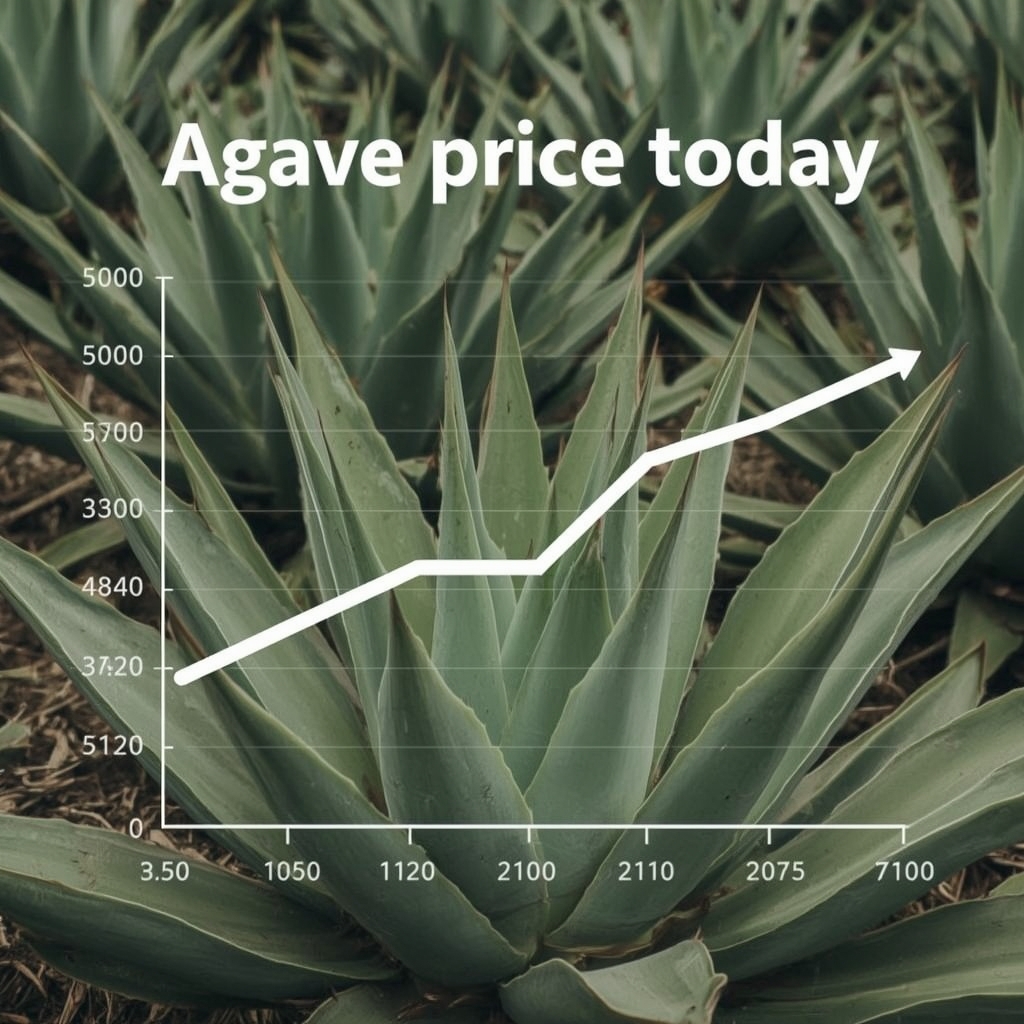
Typical indicators to watch when checking precio del agave hoy include price per kilogram of pina (the harvested agave heart), contract versus spot differentials, and freight or processing premiums. Many buyers report that prime, fully ripened agave suitable for premium tequila commands a notable premium, a factor that pushes some mainstream brands to secure long-term supply contracts.
Key factors driving the precio del agave hoy
Several interacting variables determine the precio del agave hoy. Understanding them helps decode price moves beyond headlines:
- Supply and planting cycles: Agave takes 6–10 years to mature. Planting decisions made years ago are only now affecting harvest volume.
- Pests and disease: Weevil infestations and fungal disease outbreaks can decimate fields, reducing available supply and lifting prices.
- Labor costs and availability: Harvest requires skilled jimadores; wage pressures raise the cost per harvested kilogram.
- Weather and climate: Drought or excessive rain influence growth rates and sugar concentration, affecting yield and quality.
- Demand dynamics: Global demand for tequila and premium mezcal, plus speculative buying by large buyers, tightens markets.
- Logistics and input costs: Fuel, freight, and processing expenses add to delivered price—important for precio del agave hoy in export contexts.
Each factor can push prices higher or lower, and the combined effect often explains why precio del agave hoy can swing more than expected over short periods.
Regional differences in agave prices
Geography matters. Regions differ by agave species, soil type, altitude and proximity to distilleries. Jalisco remains the price-setting region for blue agave used in tequila, while Oaxaca and other states are central to mezcal agave varieties, each with distinct market dynamics. Local market conditions—such as the density of distilleries, road access, and cooperative structures—also influence the precio del agave hoy at the farm gate.
| Region | Typical price (kg) | Notes |
|---|---|---|
| Jalisco (blue agave) | $1.50–$4.00 USD/kg | Benchmark region for tequila; premium for mature pina |
| Oaxaca (mezcal agaves) | $0.80–$3.50 USD/kg | Wide range due to species diversity and artisanal production |
| Guanajuato / Michoacán | $1.00–$2.50 USD/kg | Regional demand and transport costs affect pricing |
Note: Prices are illustrative and change with market conditions; conversion from MXN to USD swings with exchange rates. For accurate precio del agave hoy, consult local market reports and industry bulletins.
Historical trends and recent volatility
Understanding historical context makes current precio del agave hoy easier to interpret. In the last decade, agave prices have experienced cycles driven by boom-and-bust planting patterns. When prices spiked several years ago, many farmers planted more agave; the long maturation period meant supply increased only later, causing subsequent price softening. Conversely, when supply tightened, prices surged. The market is also affected by macroeconomic factors like currency shifts and trade policies.
Below is a simplified historical table showing average price per kg for blue agave over recent years to illustrate volatility.
| Year | Avg price (USD/kg) |
|---|---|
| 2018 | $0.90 |
| 2019 | $1.30 |
| 2020 | $1.70 |
| 2021 | $1.20 |
| 2022 | $2.10 |
| 2023 | $1.80 |
Volatility remains a central feature; for buyers and sellers, monitoring precio del agave hoy helps time purchases and sales to manage margins and inventory risk.
Impact on tequila and mezcal producers
Producers feel the impact of precio del agave hoy across cost structures and strategic choices. When raw agave prices rise, smaller distilleries with limited purchasing power are hardest hit. That often leads to one or more of the following adjustments:
- Raising retail prices or limiting promotional activity.
- Negotiating long-term contracts to lock in supply at predictable rates.
- Investing in vertical integration by planting own agave or partnering with growers.
Brands targeting the premium segment may be more willing to absorb higher agave costs to preserve product quality, while mass-market labels may seek cost reductions elsewhere. The interplay between precio del agave hoy and branding decisions is a key strategic consideration for CEOs and category managers.
How farmers and traders hedge agave price risk
With precio del agave hoy swinging unpredictably, market participants use several risk management techniques to stabilize revenue and sourcing:
- Forward contracts: Buyers and growers fix a price for future deliveries, smoothing cash flow and reducing uncertainty.
- Cooperatives: Farmers pool resources to negotiate better prices and access processing facilities, reducing per-unit costs.
- Diversification: Growers plant alternative crops or different agave species to spread risk.
- Vertical integration: Distilleries invest in agave farmland to control supply and capture value.
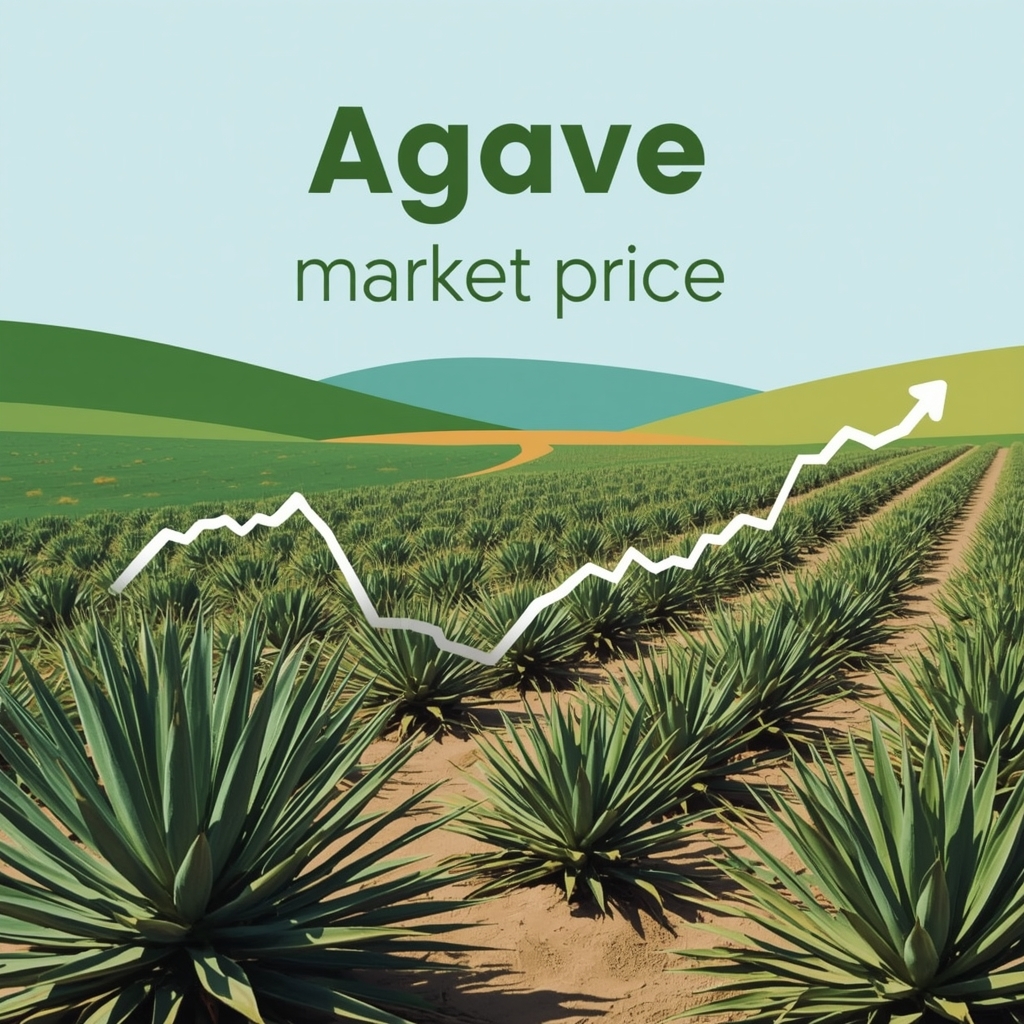
Hedging strategies are not foolproof—forward contracts can backfire if prices move favorably for spot buyers—but they are essential tools for managing the volatility inherent in precio del agave hoy.
Sustainability, supply constraints and long-term outlook
Long-term sustainability affects precio del agave hoy in profound ways. Overharvesting, monoculture planting of agave azul, and excessive agrochemical use can degrade soils and reduce resilience, threatening future yields. Conversely, sustainable practices—agroforestry, diversified plantings, and investment in soil health—can stabilize or improve yields over time.
Industry initiatives and certification programs that reward sustainable cultivation may influence price differentials, creating a premium for responsibly grown agave. For long-term investors and producers, the message is clear: sustainable supply management is not just an ethical choice, it's a financial strategy to mitigate future spikes in precio del agave hoy.
Comparison table: regional prices and historical averages
Below is a quick comparison to help spot where precio del agave hoy is most volatile and which regions currently command premiums.
| Region | Current price (USD/kg) | 3-yr avg | Volatility |
|---|---|---|---|
| Jalisco | $2.20 | $1.60 | High |
| Oaxaca | $1.40 | $1.10 | Medium |
| Guanajuato | $1.30 | $1.20 | Low |
Use such comparison tables as a quick reference when negotiating contracts or analyzing market reports mentioning precio del agave hoy.
How to track "precio del agave hoy" — tools and resources
To stay current on precio del agave hoy, combine market sources rather than relying on a single feed. Useful resources include:
- Local market bulletins from producer cooperatives and agricultural ministries.
- Industry newsletters and trade publications focused on tequila and mezcal.
- Commodity brokers and regional price dashboards that publish spot and contract prices.
- Social platforms and farmer networks—valuable for real-time on-the-ground intel about harvest conditions.
Practical tips for efficient tracking:
- Set alerts on key portals for sudden price moves linked to pest outbreaks or weather events.
- Cross-reference reported prices with delivery terms (FOB vs. farm gate) and quality specifications.
- Monitor currency fluctuations if you trade internationally—exchange rates can meaningfully alter the effective precio del agave hoy.
Combining these sources will give you a clearer picture and help you respond quickly to shifts in precio del agave hoy, whether you are hedging, contracting, or planning a purchase.